Bringing Character Back to a Kansas City Queen Anne Victorian
Follow us on Social Media for more photos and Videos of these projects!
Restoring What Was Lost:
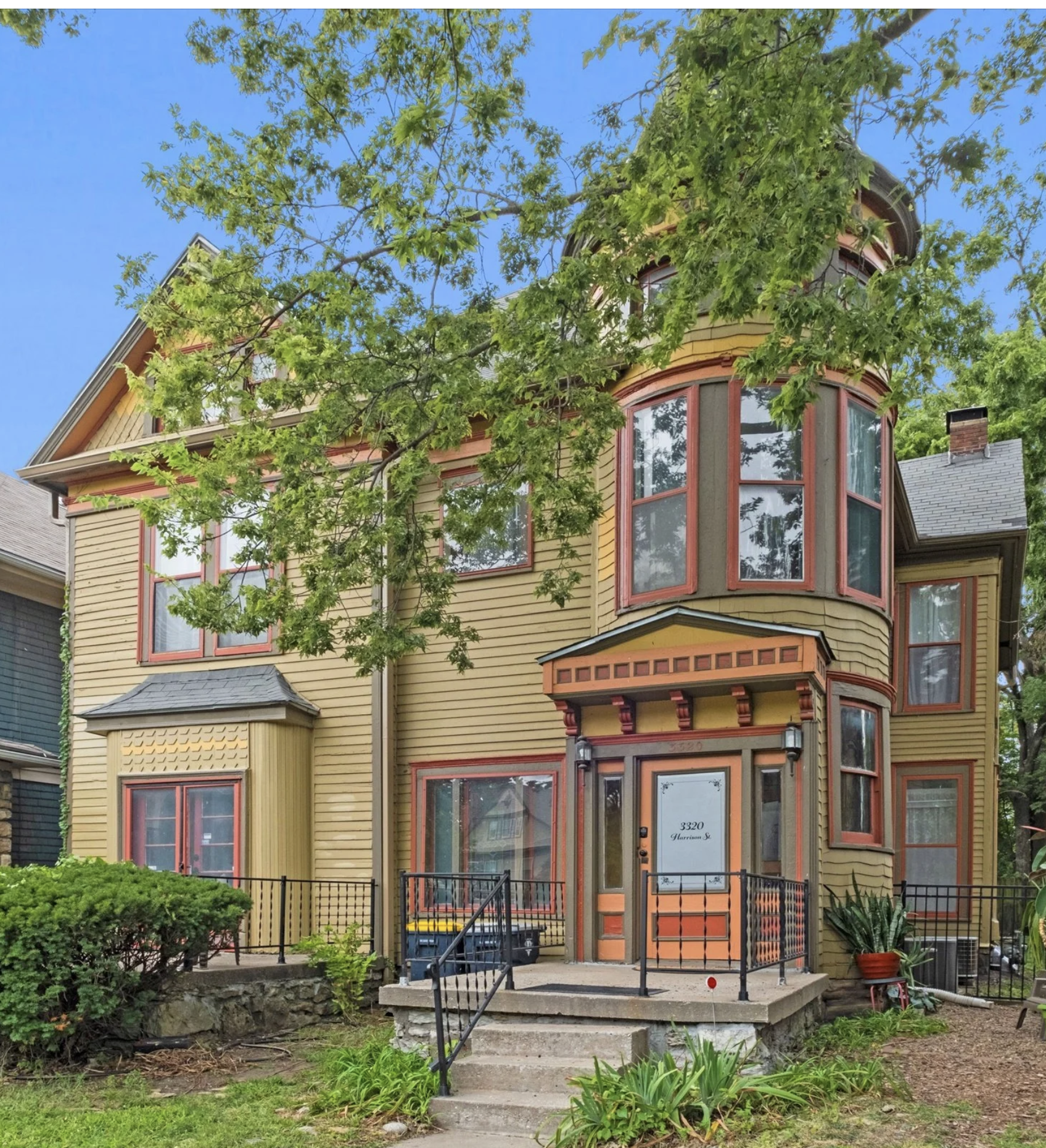
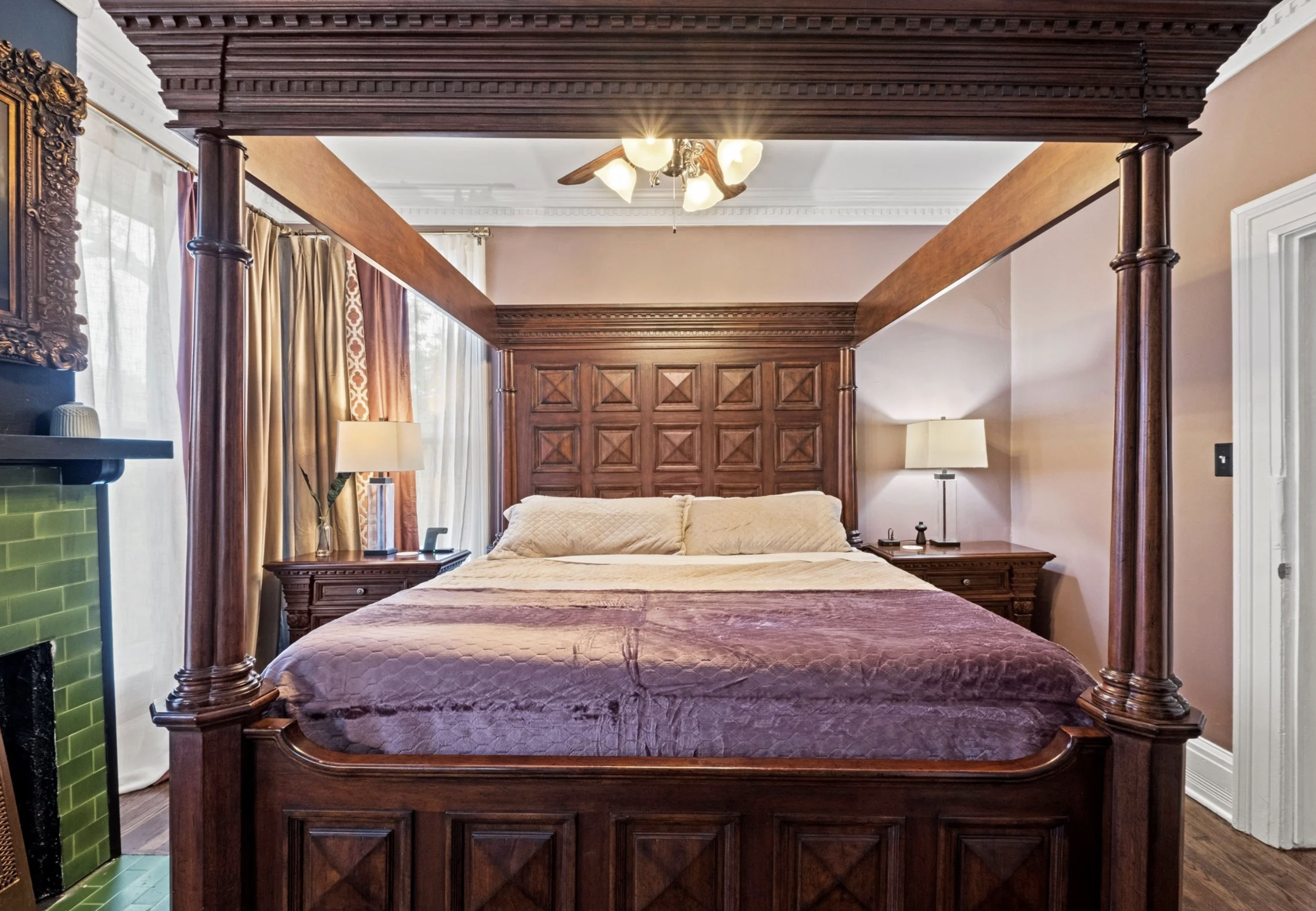
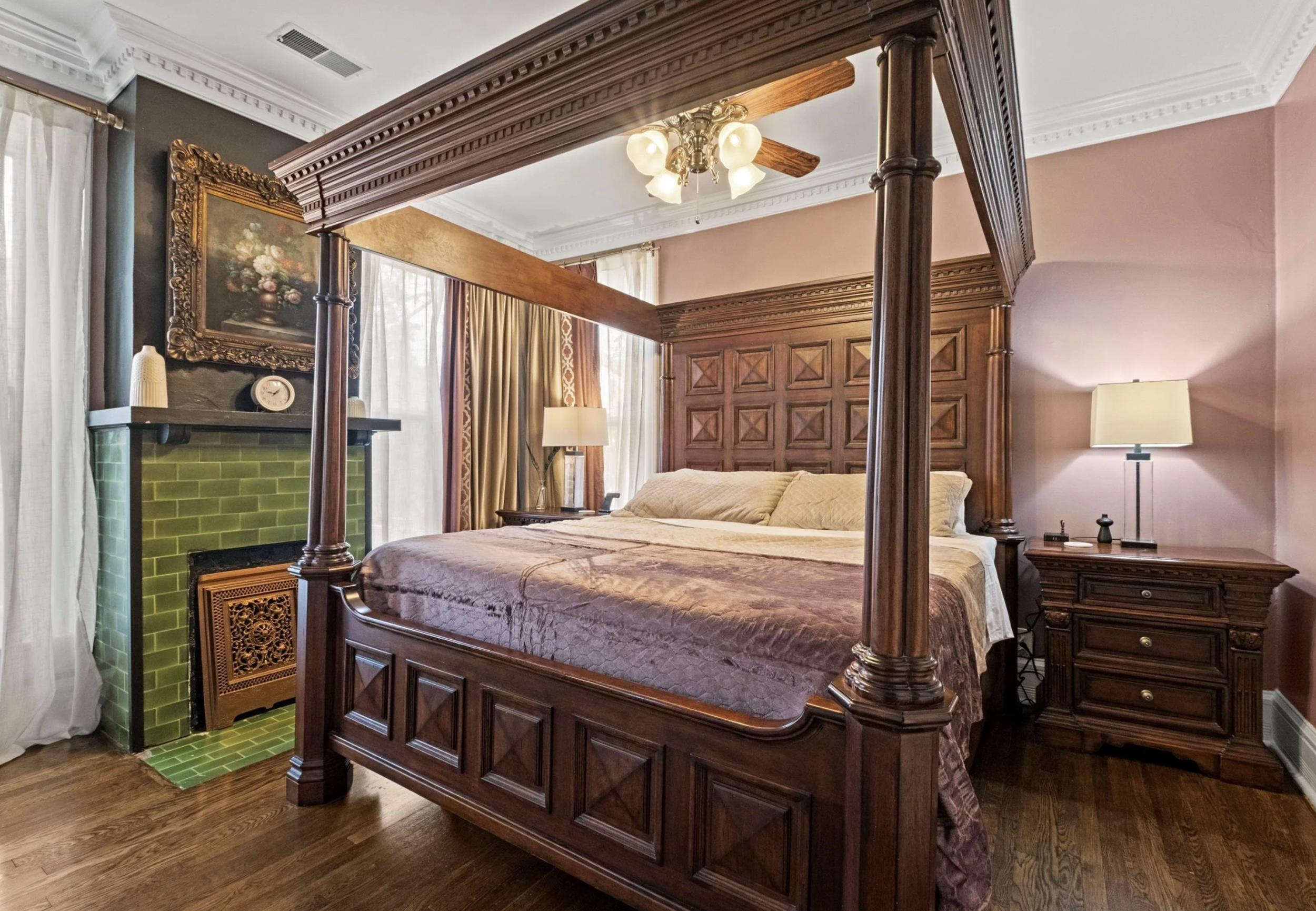
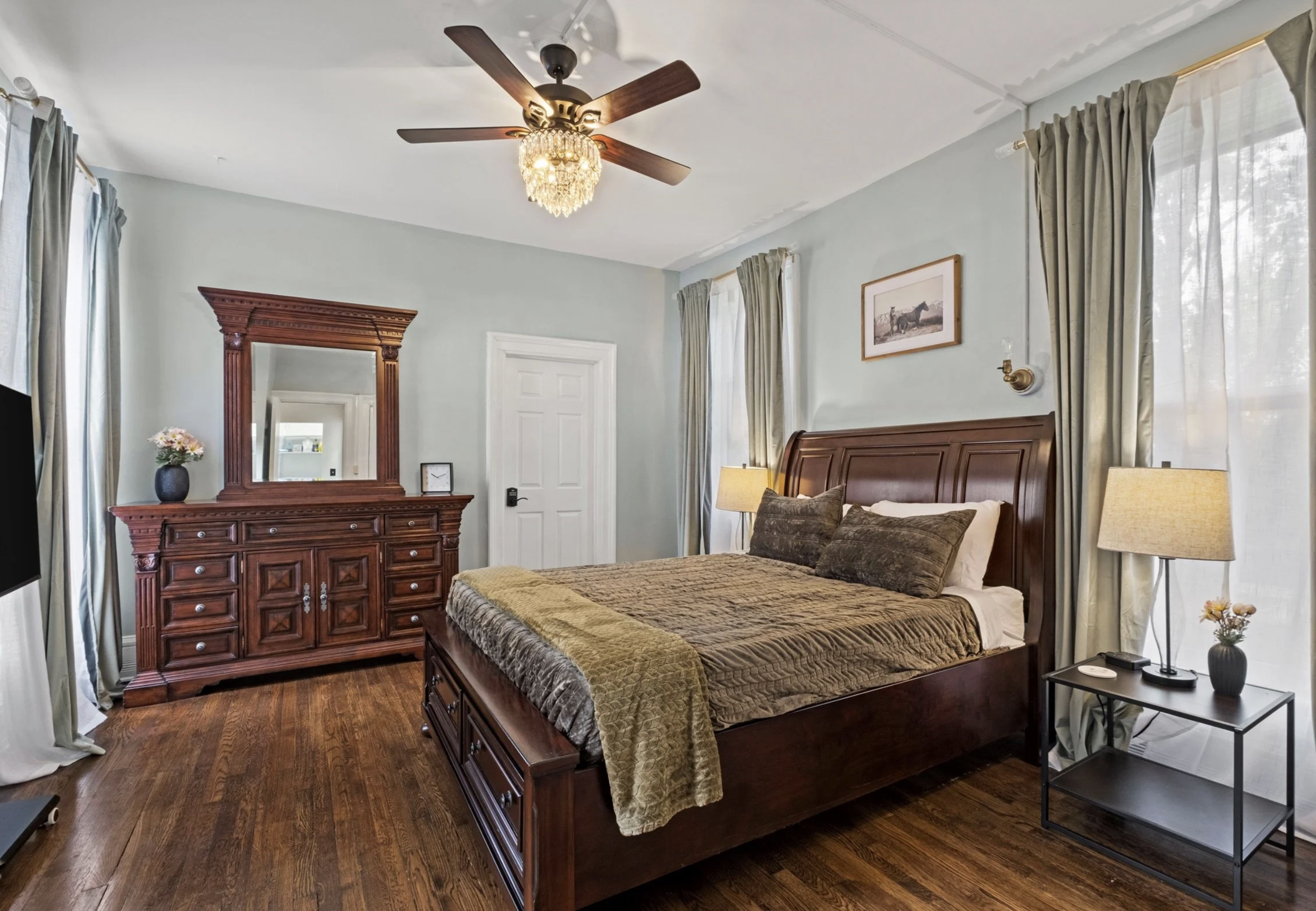
When we first stepped into this century-old Queen Anne Victorian home, located in the historic North Hyde Park neighborhood of Kansas City, Missouri, we could still feel the bones of something beautiful. But like so many homes of this era, somewhere along the way, it had been “updated.” An early 2000s renovation had swept through the space like a tornado, ripping out all of its original and historic charm and replacing it with builder-grade enthusiasm. Gone was the original millwork, flattening architectural detail and simplifying rooms that were never meant to be simple.
Our goal with this project was simple…. To re-create a gorgeous example of how careful restoration and true design can honor a home’s original spirit while creating space that feels fresh, inviting, and fully livable.
While the soul of this home had been quieted, our resolve to restore it had not! Our goal wasn’t just to renovate. It was to restore, to reinterpret what this home might have looked like when it was first built, and to reintroduce the character that time and “trends” had erased.
Undoing the Uninspired
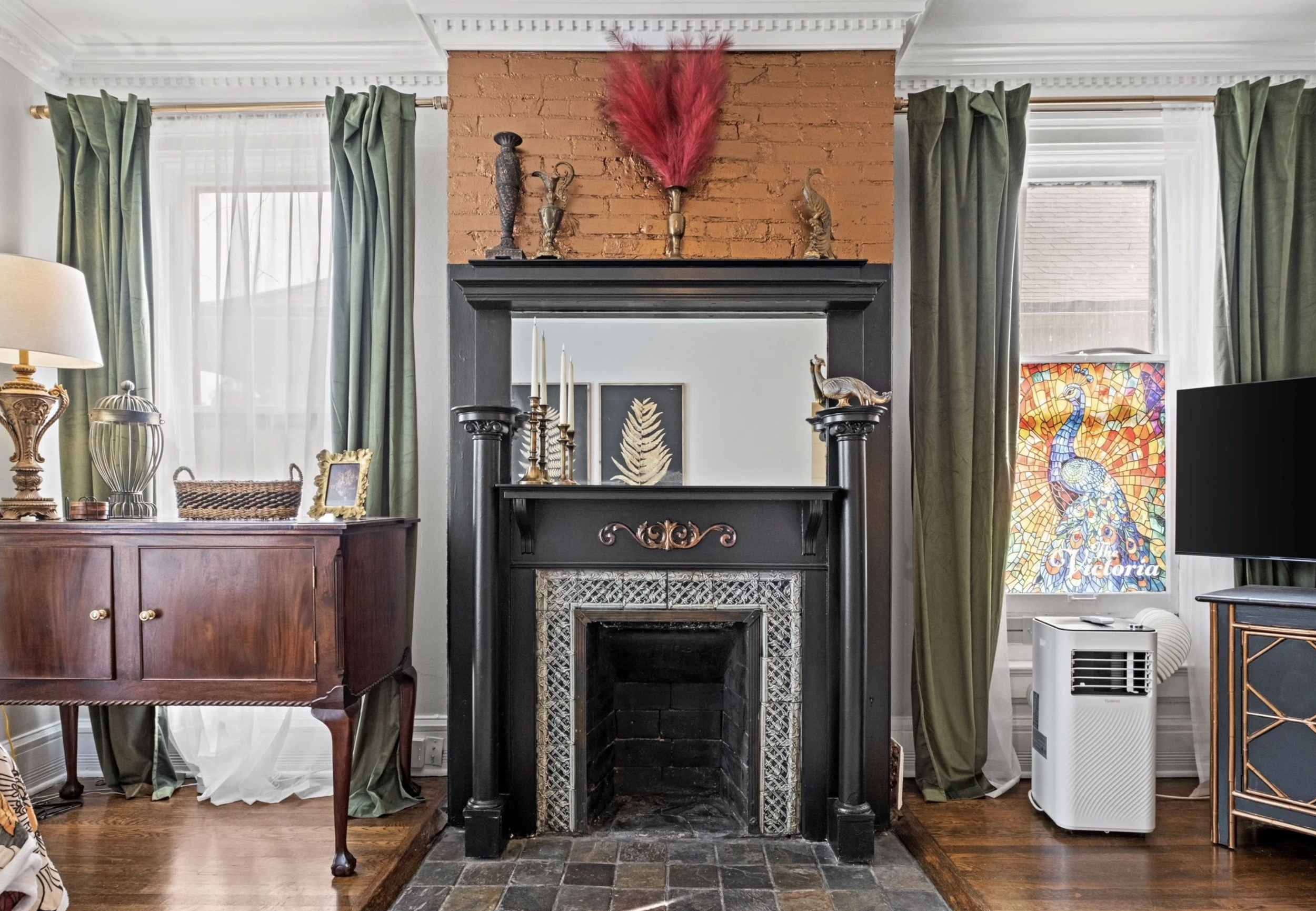
Older homes tell stories in layers. Unfortunately, sometimes those layers include an overcorrection toward “modern” by many who would consider themselves home improvement specialists. Before we began, this home lacked the depth and definition it once had. The proportions were still there, the ceiling height, the generous windows, the formal layout, but the original details were all gone. We knew we didn’t want, or have the budget for, a museum-quality restoration. Instead, we aimed for something more nuanced: a thoughtful interpretation of classic Victorian style, filtered through our own design lens.
The Reality of Working in a 100+ Year-Old Home
Restoring character is never just aesthetic. It’s structural, too. Older homes come with their own personalities, creating unique challenges. As many of you know, nothing in a historic home is perfectly square, level, or symmetrical, especially with original plaster walls. The floors had stories of their own. Slight slopes and dips that have developed over time required careful planning to ensure furniture placement, trim details, and transitions that felt intentional rather than awkward.
In older homes, you learn quickly: you don’t fight the house. You work with it.
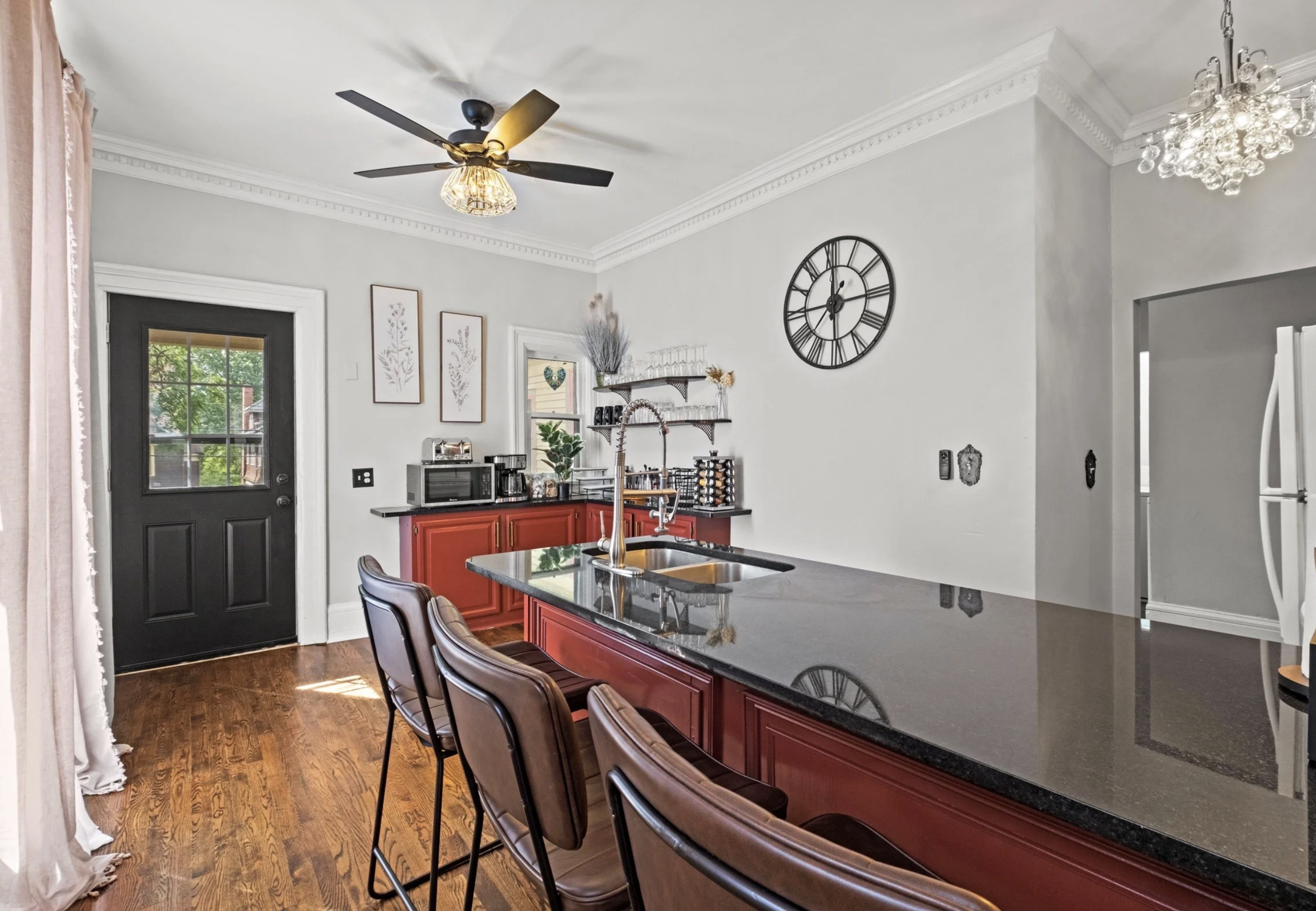
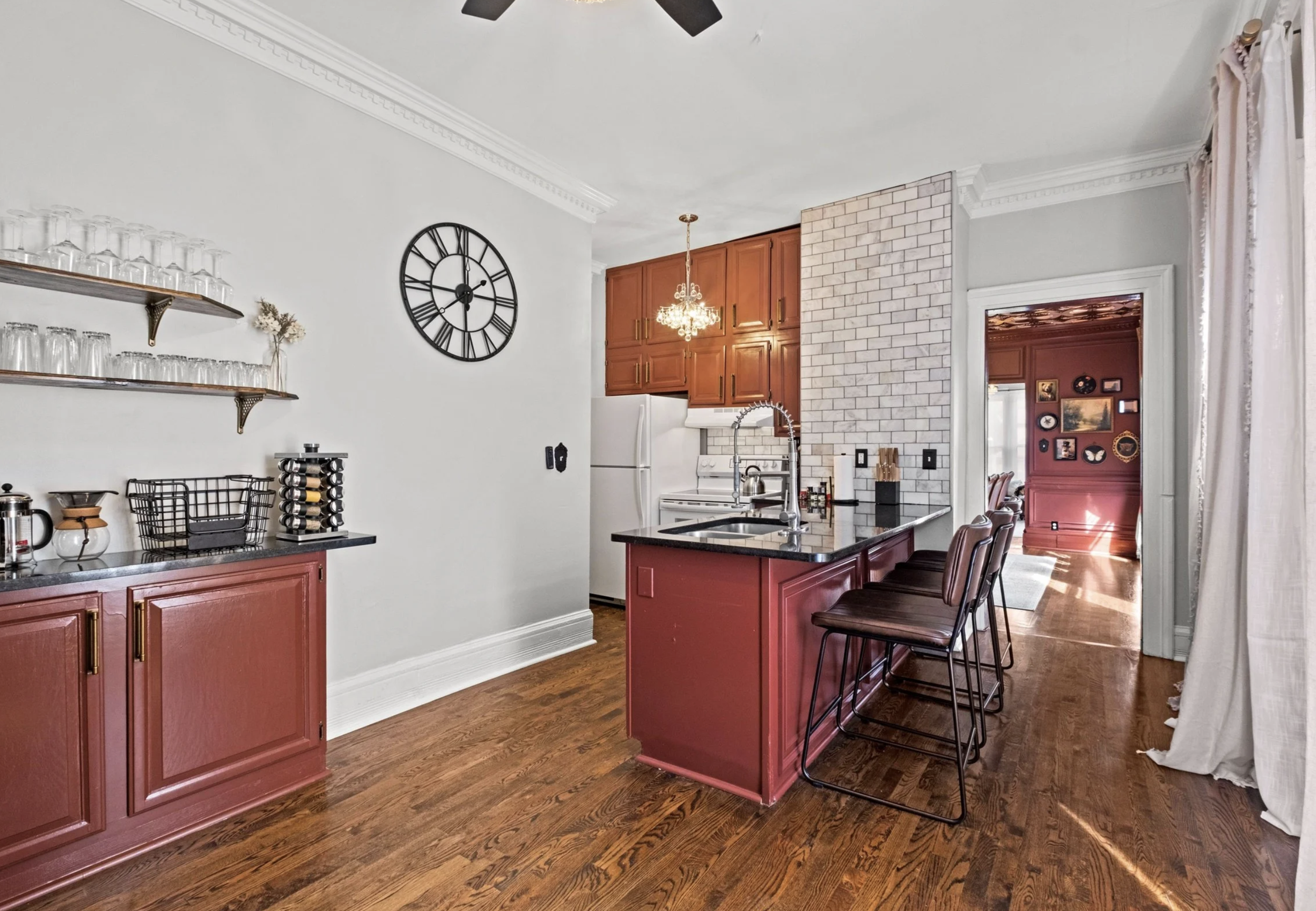
Unlike today’s open-concept living, homes built in the late 1800’s were intentionally segmented. Rooms had defined purposes. The dining room was formal. The parlor was for receiving. The kitchen was utilitarian, tucked away, and far from being “the heart of the home” as it is considered today. The challenge becomes one of balance: How do you honor the original layout while adapting it to the way we live today, and restore the character that was once lost?
Reinterpreting, Not Replicating
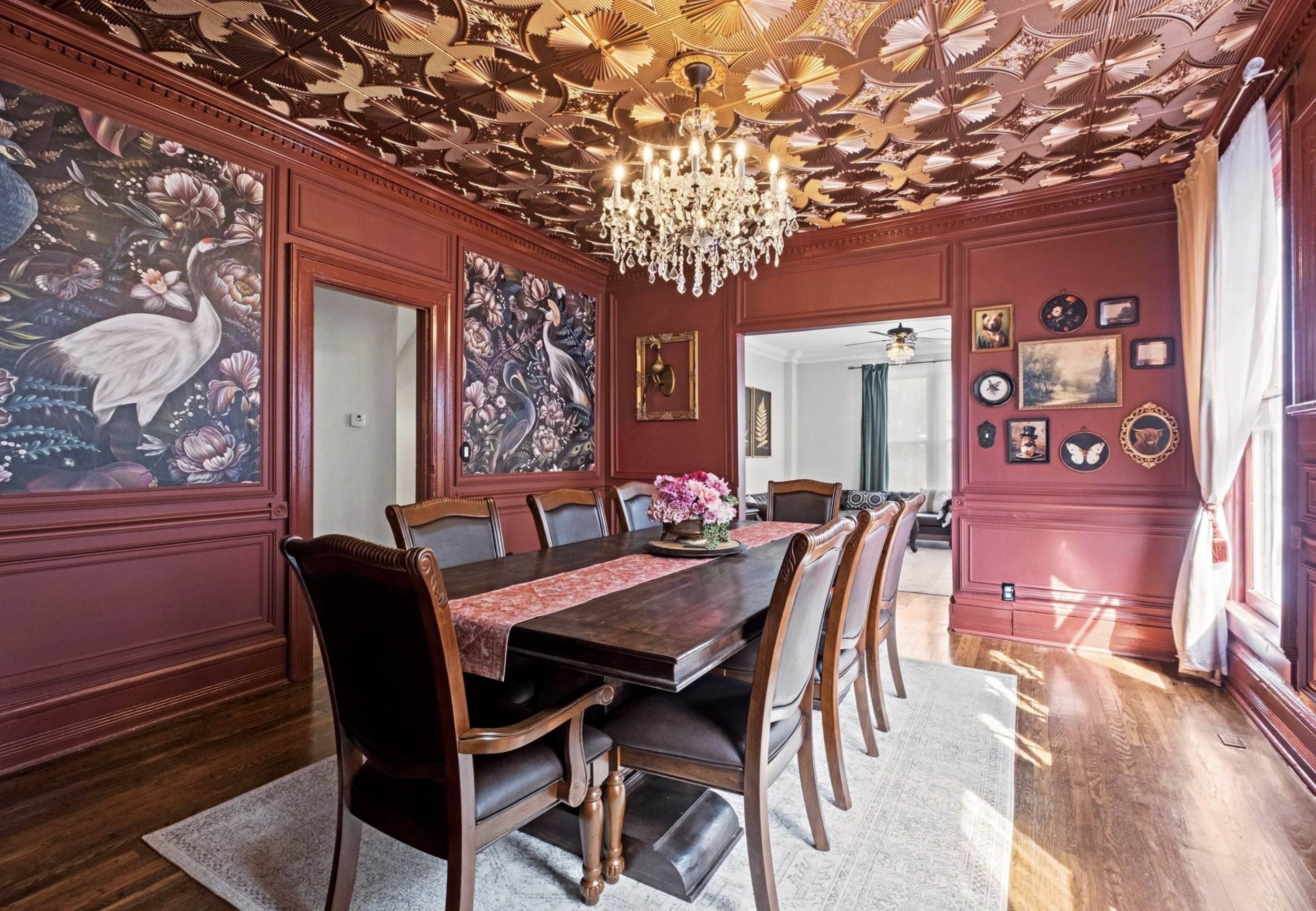
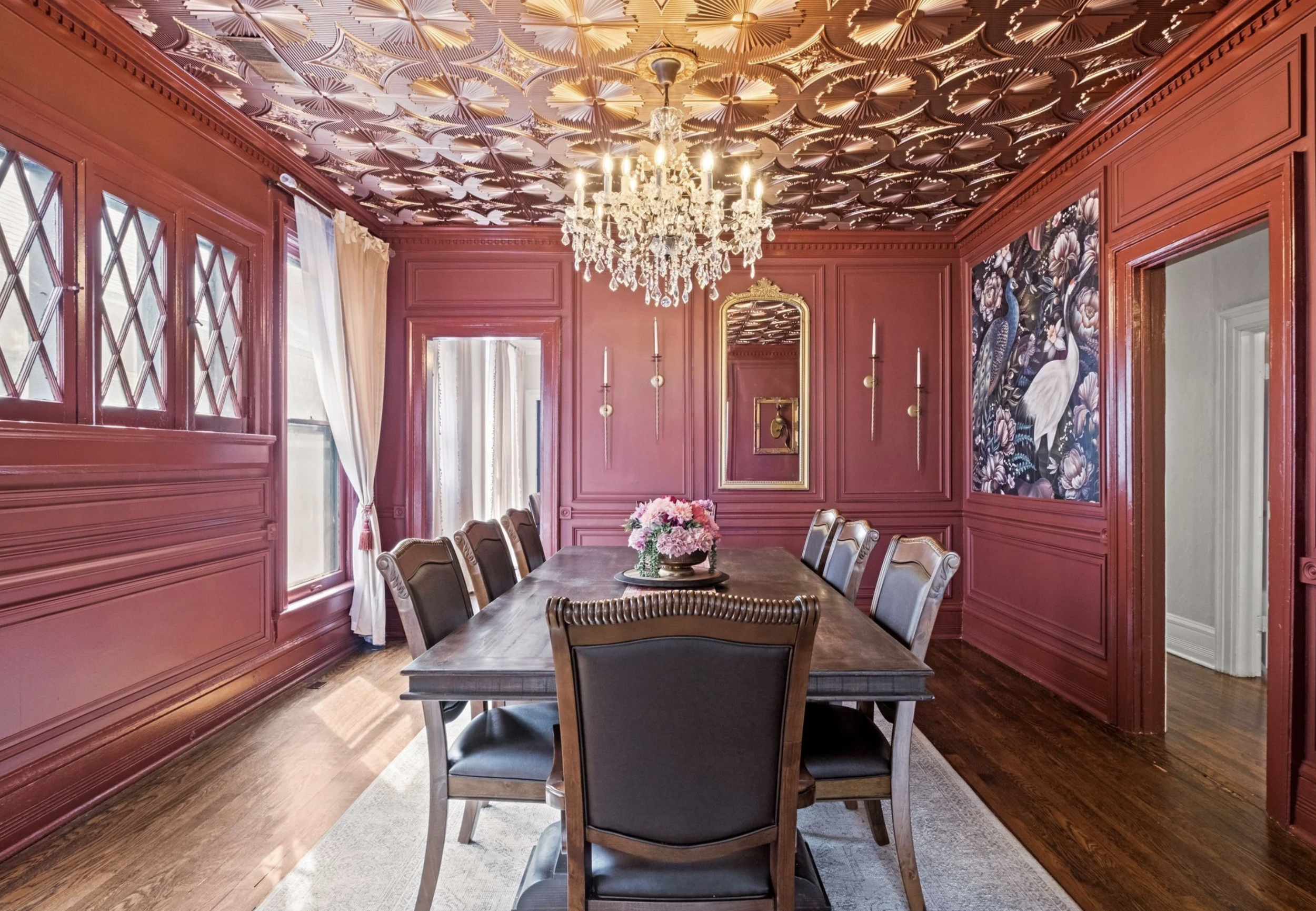
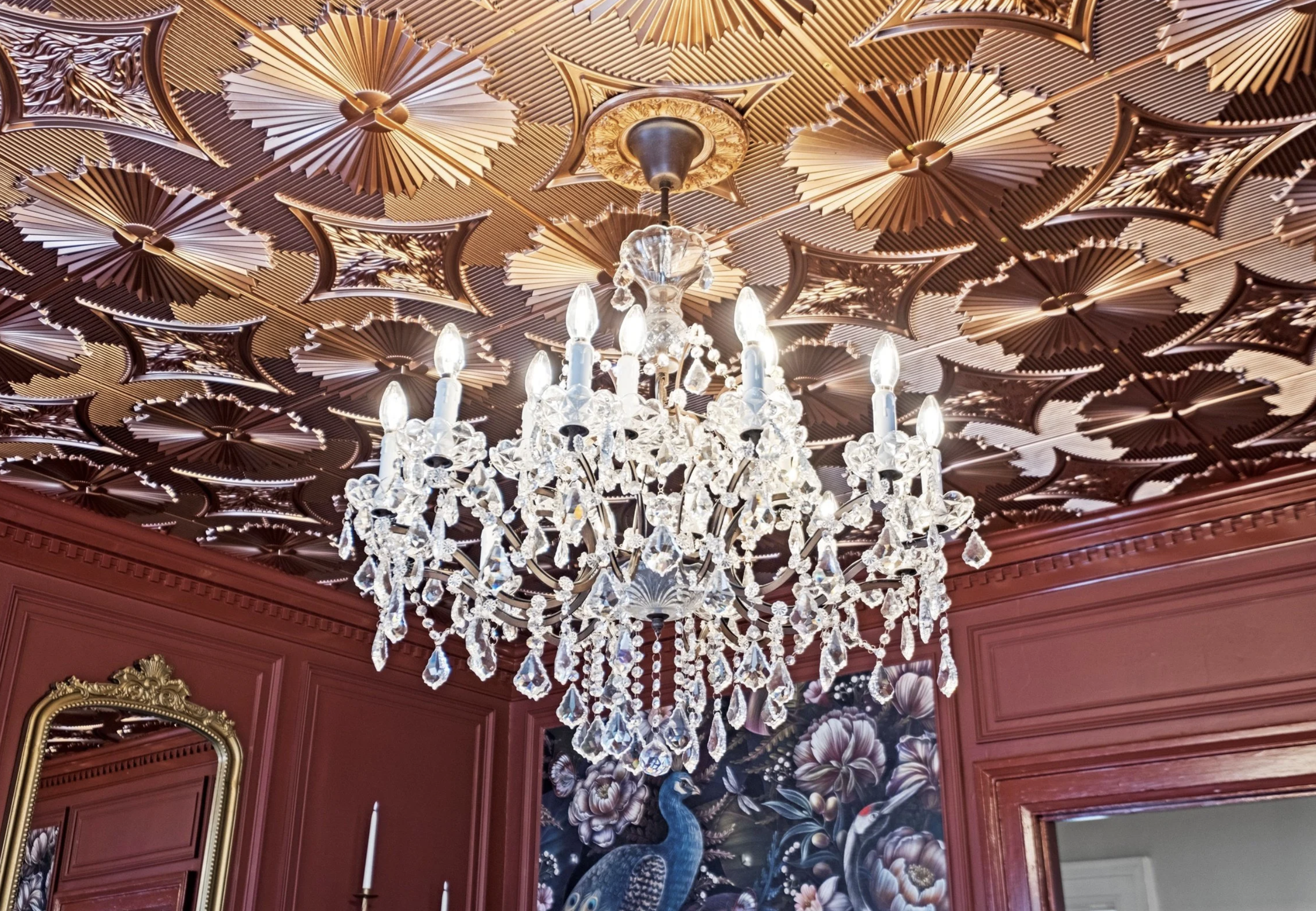
Take the dining room as an example, we leaned into its formality rather than trying to modernize it into something it was never meant to be. Adding back the ornate crown moulding, applying a unique ceiling detail, and highlighting the stunning details in the original windows. True restoration isn’t about copying historical details piece by piece. It’s about understanding the spirit of the era. Victorian interiors were layered, moody, and unapologetically detailed. They embraced pattern, color, and craftsmanship.
We needed all of these elements work together to create something immersive, a room that felt intentional, collected, and rooted in time. It is hard not to notice the deep, saturated wall color, which did exactly what we had hoped, enhancing the architectural details in the crown and wall moldings. An ornate ceiling detail that draws your eye upward, highlighting the crystal chandelier that restores a sense of elegance and helps to provide scale to the space. Traditional wallpaper panels framed like art create an additional layer of depth, adding a touch of warmth back into the space.
It doesn’t pretend to be original, but it does feel authentic.
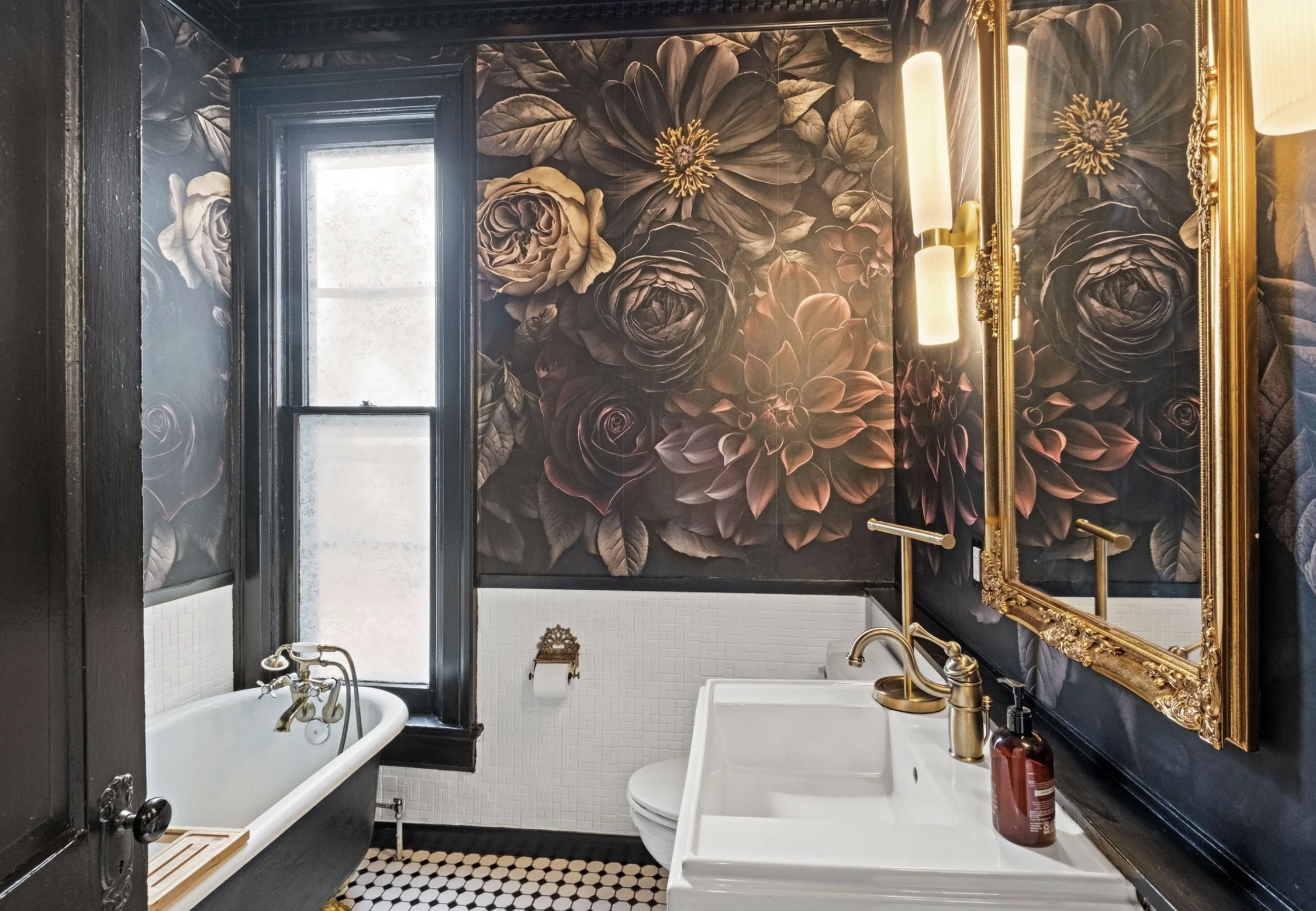
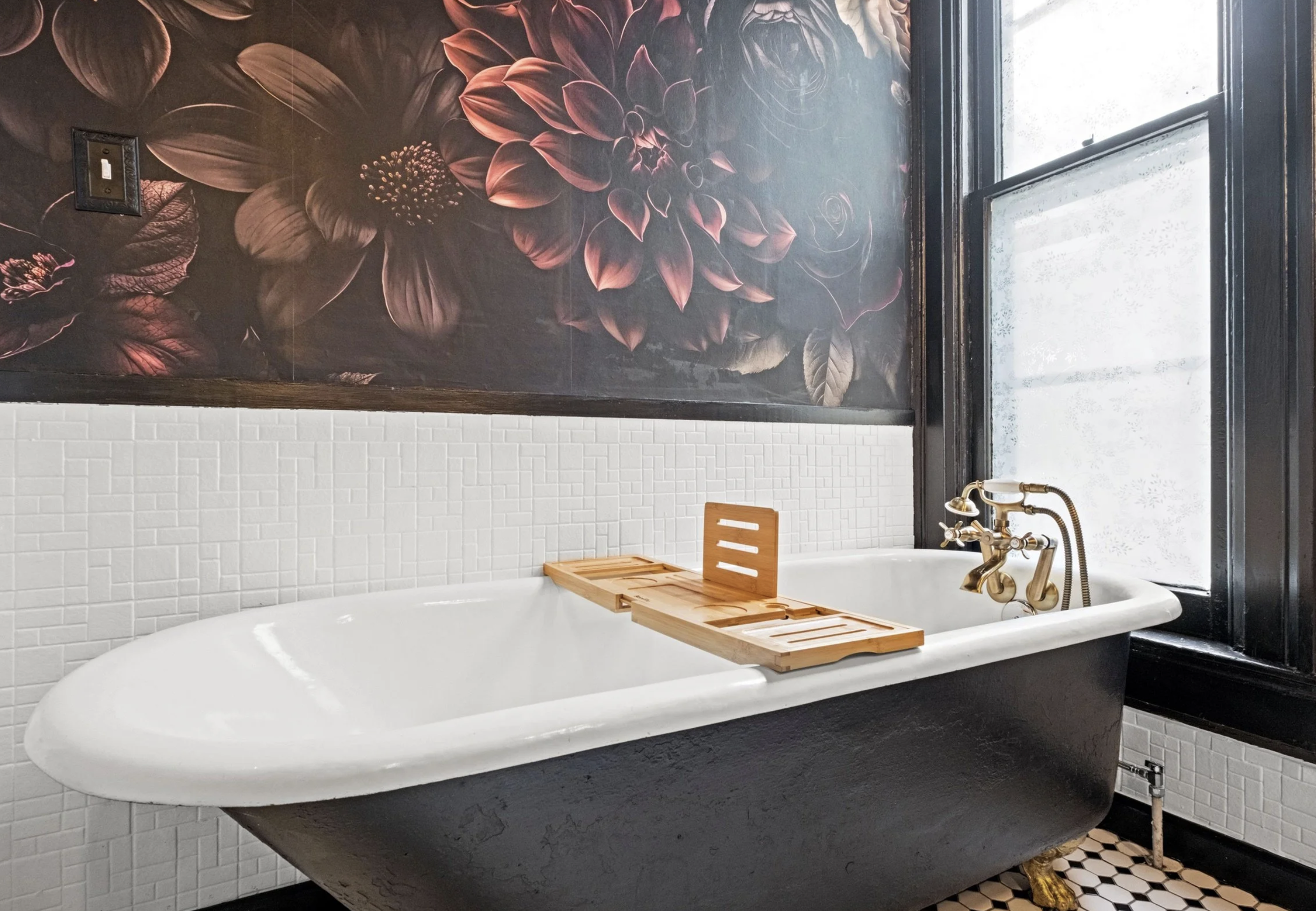
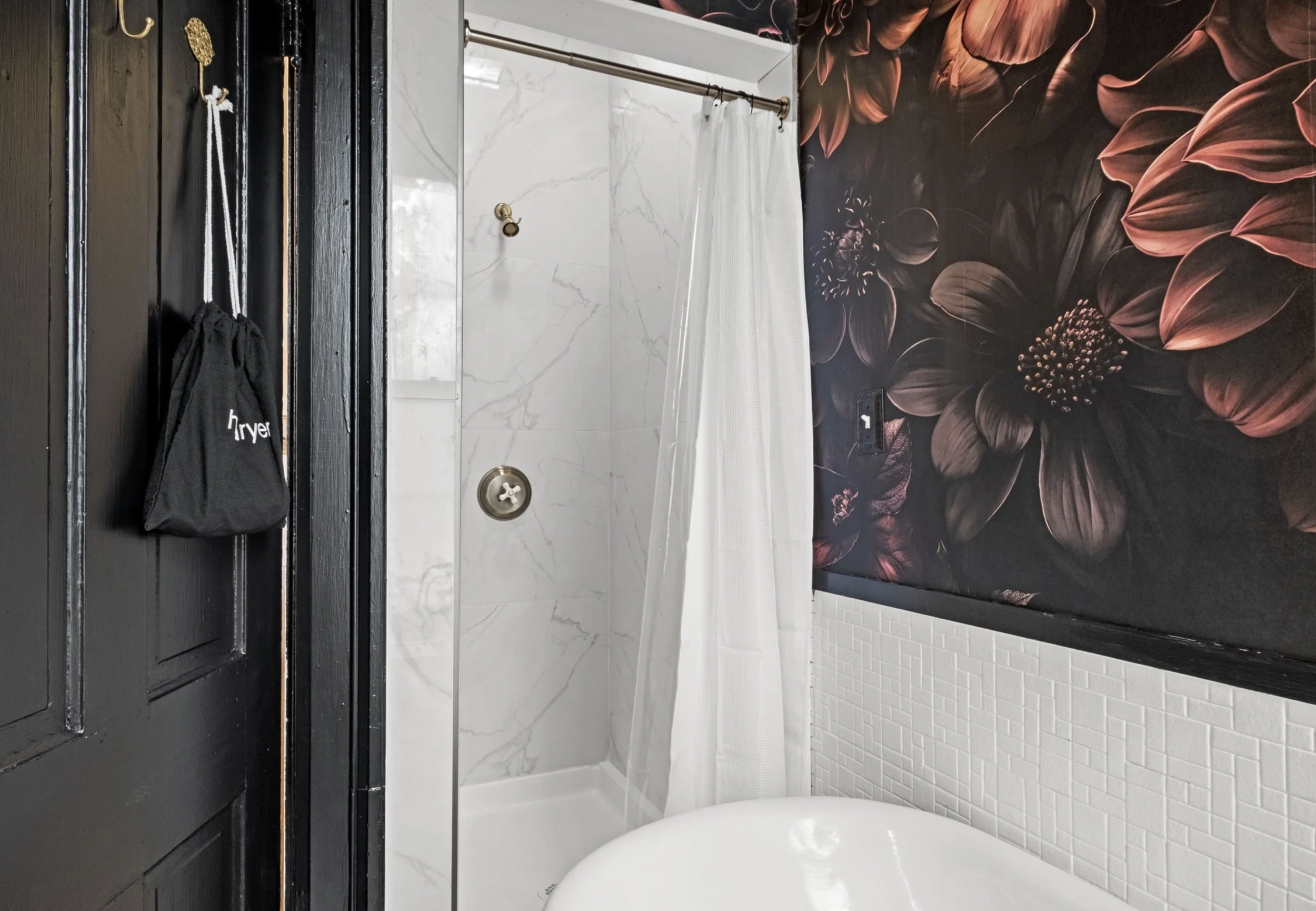
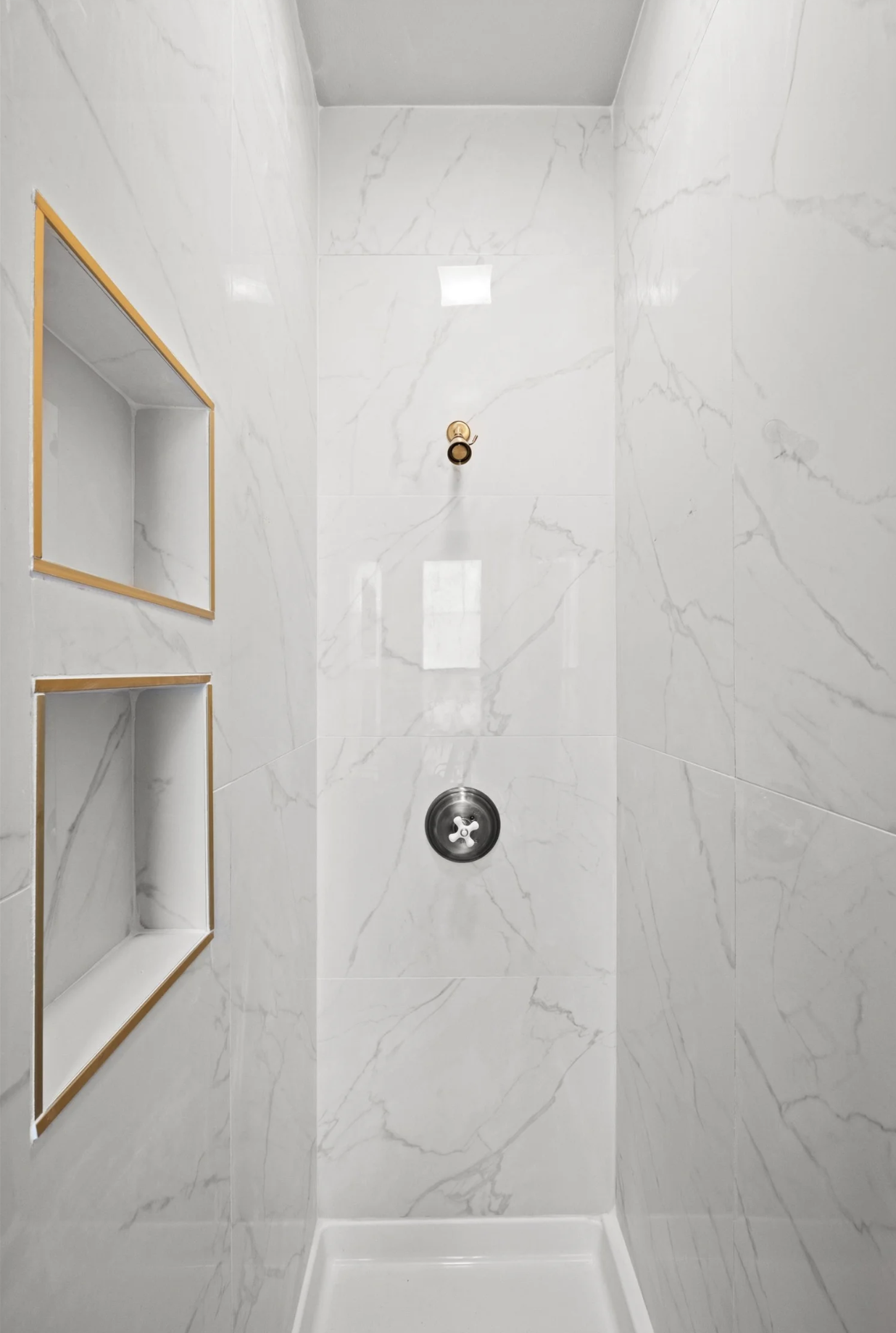
When it came to updating the bathroom, we took a slightly different approach. Our goal here was to bridge the past and present, to create something distinctive and unique, but with a modern twist. The classic clawfoot soaking tub and fixtures nod to traditional Victorian details, while the walk-in shower with sleek white marble tile provides the comfort that today’s lifestyles come to expect. Our choice of wallpaper speaks to the boldness that true Victorian style is known for, while nodding to today’s more modern aesthetic.
This blend is where we feel our restoration shines; it’s not a recreation of the past, but a reimagining of how we see it today.
Why Restoration Matters
There is something grounding about a home that reflects its history. When we strip spaces down to the bare minimum in the name of “updating,” we often remove the very details that make them memorable. Restoring character isn’t about adding ornament for ornament’s sake. It’s about reinstating craftsmanship. Proportion. Texture. Mood. It’s about giving a home its voice back, and in a Queen Anne Victorian that has stood for over 100 years, that voice deserves to be heard. This home proves that restoration isn’t about nostalgia for its own sake. It’s about connection. Connection to craftsmanship, to history, to its revived legacy.
For me, restoring a historic home like this isn’t just about choosing beautiful finishes; it’s about understanding proportion, architectural language, and the delicate balance between preservation and modern livability. This is why I became a designer, and what drives me to keep seeking out projects that stand outside the normal expectations of an interior designer in today’s modern white-box world.